
Average weight of an Electric Bike
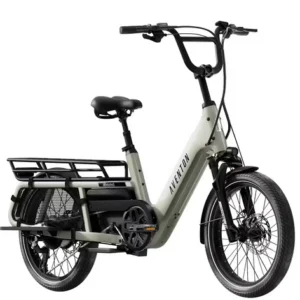
Electric bikes usually weigh between 40 and 70 pounds. The weight can vary based on materials, battery size, and design choices. Lighter models, around 30 to 50 pounds, are perfect for urban commuting, while heavier options may exceed 70 pounds, offering stability but less maneuverability. The bike’s weight affects handling and performance, especially on inclines. If you want tips on choosing the right e-bike for your needs, you’ll find more useful insights ahead.
E-bike Weight: What to Expect
When you’re considering an electric bike, it’s important to know what to expect regarding weight.
On average, e-bikes typically weigh between 40 and 70 pounds. This range depends on the materials used, the battery size, and the overall design.
A lighter bike can make handling and maneuvering easier, while a heavier model might offer more stability and durability.
If you plan to transport your e-bike frequently, weight becomes even more significant.
Keep in mind, though, that while lighter bikes are appealing, they may compromise on features or battery capacity, so find a balance that suits your needs.
What Affects how Heavy an E-Bikes is?
Several factors influence the weight of electric bikes, and understanding them can help you choose the right one for your needs.
The frame material, like aluminum or steel, considerably affects weight aluminum is lighter, while steel offers durability.
The size and capacity of the battery also play a role; larger batteries weigh more.
Additionally, the type of motor and its placement can change the overall weight distribution.
Accessories and features, such as racks or fenders, may add extra pounds.
Finally, tire size and design impact weight; wider tires often weigh more than narrow ones, which can affect your riding experience.
Weight Comparisons of Various Power Bike Models
Comparing the weight of different electric bike models can help you make an informed choice based on your riding style and needs.
For instance, lightweight models typically range from 30 to 50 pounds, ideal for urban commuting and easy maneuverability.
Mid-range e-bikes usually weigh between 50 to 70 pounds, offering a balance of durability and performance for recreational riders.
On the heavier side, high-powered models can exceed 70 pounds, providing robust features but may feel cumbersome.
How Electric Bike Weight Impacts Performance
While the weight of an electric bike may seem like just a number, it greatly influences your riding experience and performance. Heavier bikes can feel sluggish, especially on inclines, making pedaling more strenuous.
You’ll notice reduced acceleration and maneuverability, which can affect your confidence on tight turns or rough terrain. Conversely, lighter e-bikes offer quicker response times and easier handling, allowing you to navigate urban environments effortlessly.
However, don’t forget that a lighter bike might have less robust components. Ultimately, finding the right balance between weight and performance tailored to your needs is key for enjoyable rides.
What Should You Consider When Choosing an E-Bike?
When choosing an electric bike, it’s essential to prioritize your specific needs and riding style.
Consider your typical terrain; if you ride on hills, opt for a motor with higher torque.
Think about battery life; longer rides require larger capacity batteries.
Pay attention to the bike’s weight; a lighter e-bike is easier to handle but may compromise battery size.
Check the frame size and geometry for comfort and fit.
Don’t forget to evaluate the available features, like suspension and brakes, which can enhance your riding experience.
Finally, set a budget that reflects your desired quality and performance.
Frequently Asked Questions
Can I Legally Ride an Electric Bike Without a License?
Yes, you can legally ride an electric bike without a license in many areas, as long as it meets specific criteria.
Always check your local laws to verify you’re following regulations regarding e-bike usage.
How Long Does the Battery Last on an Electric Bike?
The battery on your electric bike typically lasts between 20 to 50 miles, depending on factors like terrain, rider weight, and pedal assist level.
Keeping it charged will help maximize its lifespan and performance.
Are Electric Bikes Suitable for Off-Road Riding?
Yes, electric bikes can be suitable for off-road riding, especially mountain e-bikes designed for rugged terrain.
They offer added power, helping you tackle steep climbs and rough trails more easily than traditional bikes.
How Often Should I Service My Electric Bike?
You should service your electric bike at least once a year or every 1,000 miles, whichever comes first.
Regular checks on the battery, brakes, and tires will keep your bike running smoothly and safely.
What Type of Terrain Is Best for Electric Bikes?
Electric bikes thrive on varied terrain, especially smooth roads, gentle hills, and light trails.
You’ll enjoy the ride most on surfaces that allow for easy pedaling and good traction, enhancing your overall biking experience.